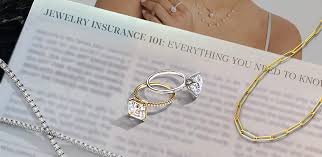
A diamond ring can disappear in seconds. A family heirloom may be damaged during a move. A luxury watch can be stolen while traveling abroad. In each case, the financial loss is only part of the story—the sentimental value is often impossible to replace.
Many people assume their homeowners or renters insurance fully protects valuable jewelry. That assumption can become an expensive mistake. Standard property insurance frequently places strict limits on jewelry claims, and reimbursement may fall far short of the item’s true replacement value.
Whether you own an engagement ring, a vintage necklace, designer earrings, a luxury watch, or an inherited collection, understanding jewelry insurance is one of the smartest ways to safeguard your investment.
What Is Jewelry Insurance?
Jewelry insurance is a specialized policy—or an endorsement added to an existing homeowners or renters policy—that provides financial protection if covered jewelry is lost, stolen, damaged, or, in some cases, mysteriously disappears.
Unlike standard property insurance, jewelry insurance focuses on the unique risks associated with high-value personal items.
Depending on the policy, coverage may include:
- Theft
- Accidental loss
- Fire
- Vandalism
- Damage during travel
- Natural disasters (subject to policy terms)
- Certain accidental damages, such as chipped gemstones or broken settings
- Mysterious disappearance, where the exact cause of loss cannot be determined
Coverage details vary significantly among insurers, making policy wording just as important as the premium.
[Insert Authority Link Here: Consumer Guide to Personal Property Insurance]
Why Homeowners Insurance Often Isn’t Enough
Homeowners insurance provides broad protection for personal belongings, but jewelry usually falls under special sub-limits.
For example, a policy may insure personal property up to hundreds of thousands of dollars while limiting theft coverage for jewelry to only a few thousand dollars.
Imagine owning a $12,000 engagement ring. If your homeowners policy limits jewelry theft to $2,500, you’re responsible for the remaining loss unless additional coverage exists.
Another consideration is the deductible. Filing a jewelry claim under a homeowners policy may require paying a deductible that substantially reduces the reimbursement you receive.
Some claims may also affect future homeowners insurance premiums.
Dedicated jewelry insurance often avoids these limitations by offering broader protection and, in many cases, no deductible or flexible deductible options.
What Jewelry Insurance Typically Covers
Although every insurer defines coverage differently, most comprehensive policies protect against a wide range of risks.
Theft
Whether jewelry is stolen from your home, hotel room, gym locker, or while traveling, theft is usually one of the primary covered events.
Some insurers also cover robbery outside the home, making specialized policies particularly attractive for people who frequently wear expensive pieces.
Accidental Loss
One of the biggest advantages of dedicated jewelry insurance is protection against accidental loss.
Examples include:
- A ring slipping off while swimming
- Earrings falling out during travel
- A bracelet coming unclasped without notice
- A pendant disappearing during an event
Many standard homeowners policies don’t provide this level of protection.
Accidental Damage
Fine jewelry is more delicate than many owners realize.
Policies may cover:
- Cracked gemstones
- Broken prongs
- Bent settings
- Broken chains
- Loose diamonds
- Damaged clasps
Normal wear and gradual deterioration, however, are generally excluded.
Mysterious Disappearance
This feature often surprises policyholders.
Suppose you remember wearing your diamond bracelet at dinner but later discover it’s gone. You don’t know whether it was stolen, dropped, or misplaced.
Some jewelry policies still provide coverage under mysterious disappearance provisions, subject to policy conditions.
[Insert Authority Link Here: Understanding Valuable Articles Coverage]
What Jewelry Insurance Usually Doesn’t Cover
Knowing the exclusions is just as important as understanding the benefits.
Most policies do not cover:
- Intentional damage
- Fraud
- Normal wear and tear
- Rust or corrosion
- Manufacturing defects
- Pest damage
- Gradual deterioration
- Improper maintenance
- War-related events
- Nuclear hazards
Certain insurers may also exclude losses resulting from illegal activity or failing to take reasonable care of insured items.
Always review exclusions before purchasing a policy rather than assuming all risks are covered.
Standalone Policy vs. Scheduled Personal Property Endorsement
Consumers generally have two options.
Standalone Jewelry Insurance
A dedicated jewelry policy focuses exclusively on valuable items.
Advantages often include:
- Broader coverage
- Worldwide protection
- Mysterious disappearance coverage
- Flexible deductibles
- Specialized claims handling
- Direct relationships with jewelry replacement specialists
Standalone policies are particularly popular among collectors and owners of high-value engagement rings.
Scheduled Personal Property Endorsement
Many homeowners insurers allow valuable jewelry to be individually listed—or “scheduled”—under the existing homeowners policy.
This increases protection beyond the standard jewelry limit.
Scheduling may be suitable for owners with only one or two valuable pieces who prefer consolidating insurance under one provider.
The trade-off is that coverage features may not be as comprehensive as a dedicated jewelry policy.
Why Professional Appraisals Matter
Insurance is only as accurate as the value assigned to your jewelry.
An outdated appraisal may leave you underinsured if precious metal prices or diamond values increase significantly.
A professional appraisal typically includes:
- Detailed description
- Gemstone specifications
- Diamond grading information
- Metal purity
- Brand or designer details
- Serial numbers (if applicable)
- Current replacement value
- High-resolution photographs
Many insurers require appraisals above specific value thresholds before issuing coverage.
Keeping documentation updated every few years helps ensure coverage reflects current market conditions rather than historical purchase prices.
Replacement Value vs. Actual Cash Value
Not every policy calculates claims the same way.
Understanding the valuation method is critical before purchasing insurance.
Replacement Value
Replacement value coverage pays the amount needed to replace the insured jewelry with an item of similar quality, craftsmanship, and characteristics at today’s market prices.
If gold or diamond prices have increased substantially since purchase, replacement value generally provides stronger financial protection.
Actual Cash Value
Actual cash value considers depreciation when calculating reimbursement.
Although jewelry often retains value better than many consumer products, certain items may still receive a lower payout under this method.
For most owners of fine jewelry, replacement value coverage is the preferred option because it better reflects the cost of acquiring an equivalent piece after a covered loss.
Factors That Affect Jewelry Insurance Premiums
Insurance companies evaluate several characteristics before calculating premiums.
Common pricing factors include:
- Total appraised value
- Type of jewelry
- Diamond or gemstone quality
- Precious metal content
- Brand recognition
- Age of the item
- Geographic location
- Claims history
- Security measures
- Safe storage practices
- Frequency of travel with the jewelry
A modest gold necklace and a rare vintage diamond ring present very different levels of risk, which is reflected in premium pricing.
Real-World Claim Scenarios
Jewelry claims don’t always involve dramatic thefts.
A traveler removes an engagement ring before swimming in the ocean and later realizes it has been swept away by the tide.
A loose prong goes unnoticed, allowing the center diamond to fall out during an ordinary workday.
An inherited necklace disappears after a family gathering, with no clear evidence of theft.
A luxury watch is stolen from checked luggage while traveling internationally.
These situations highlight why broad policy language and adequate coverage limits matter just as much as the annual premium.
How Much Does Jewelry Insurance Cost?
Jewelry insurance is often more affordable than people expect. Premiums are generally based on the insured value of each item, although the exact amount depends on several underwriting factors.
Insurance companies typically evaluate:
- Appraised value of the jewelry
- Type of gemstone and precious metal
- Brand or designer (for example, luxury watches or designer jewelry)
- Your location and local crime rates
- Claims history
- Deductible selection
- Storage habits, such as using a home safe or bank safe deposit box
- Whether the item is worn daily or only on special occasions
Higher-value pieces naturally cost more to insure, but paying a modest annual premium can be far less expensive than replacing a valuable item out of pocket.
Jewelry Insurance Comparison Matrix
Choosing the right policy involves more than comparing prices. Coverage quality, valuation methods, and claims support often make the biggest difference.
| Feature | Standard Homeowners Coverage | Scheduled Personal Property | Standalone Jewelry Insurance |
|---|---|---|---|
| Theft protection | Limited | Yes | Yes |
| Accidental loss | Usually limited or excluded | Varies | Commonly included |
| Mysterious disappearance | Rare | Varies | Often included |
| Worldwide coverage | Limited | Varies | Frequently available |
| Accidental damage | Limited | Varies | Often covered |
| Individual appraisal required | Usually no | Yes | Usually yes |
| Claims handled by jewelry specialists | No | Sometimes | Often |
| Flexible deductible options | Limited | Limited | Common |
| Suitable for | Low-value jewelry | One or two valuable pieces | High-value collections and frequent wear |
Choosing the Right Coverage Amount
Insuring jewelry for too little can leave you with a significant financial gap after a claim. Insuring it for far more than its replacement value may result in unnecessarily high premiums.
A practical approach includes:
- Reviewing appraisals every three to five years
- Updating values after significant increases in gold or gemstone prices
- Notifying your insurer after redesigning or upgrading a piece
- Adding newly acquired jewelry promptly instead of waiting until the next policy renewal
If your collection grows over time, review your total coverage annually to ensure every valuable item is listed correctly.
How the Claims Process Typically Works
Understanding the claims process before a loss occurs can reduce stress and speed up reimbursement.
Most insurers follow a process similar to this:
- Report the loss as soon as reasonably possible.
- File a police report if theft is involved.
- Notify your insurance company.
- Submit supporting documents, including appraisals, purchase receipts, photographs, or certificates.
- Cooperate with the insurer’s investigation if additional information is requested.
- Receive either a replacement item, repair authorization, or financial settlement according to the policy terms.
Maintaining digital copies of receipts, appraisals, grading reports, and photographs can make this process much smoother.
Ways to Lower Your Premium Without Sacrificing Protection
Reducing insurance costs doesn’t always require reducing coverage.
You may qualify for lower premiums by:
- Choosing a higher deductible if you’re comfortable with more out-of-pocket risk
- Installing a professionally monitored home security system
- Storing high-value jewelry in a certified safe when not in use
- Updating outdated appraisals to reflect accurate values
- Avoiding unnecessary overinsurance
- Bundling policies with the same insurer when discounts are available
Ask prospective insurers which discounts apply to your situation before making a decision.
Common Mistakes Jewelry Owners Make
Many claims become more complicated because of avoidable mistakes rather than the loss itself.
Assuming Purchase Price Equals Current Value
Gold, platinum, and diamonds can appreciate over time. A receipt from several years ago may not represent today’s replacement cost.
Forgetting to Update Appraisals
An appraisal completed a decade ago may leave valuable jewelry significantly underinsured.
Not Reading Policy Exclusions
Coverage varies between insurers. Some policies include accidental loss and mysterious disappearance, while others provide much narrower protection.
Keeping Poor Records
Receipts, appraisals, certificates, and clear photographs are invaluable during the claims process.
Delaying Coverage
Waiting until after an engagement, inheritance, or expensive purchase increases the risk of an uninsured loss.
Tips for Protecting Valuable Jewelry
Insurance is only one part of a comprehensive protection strategy.
Good security habits can reduce both the likelihood of loss and the complexity of future claims.
Consider these best practices:
- Remove jewelry before swimming, exercising, or performing manual work.
- Have rings and gemstone settings inspected regularly by a qualified jeweler.
- Store valuable pieces separately to prevent scratches and damage.
- Avoid leaving jewelry unattended in hotel rooms or vehicles.
- Use discreet travel cases instead of branded jewelry boxes.
- Photograph each insured item from multiple angles and keep copies of all documentation in secure cloud storage.
These simple habits can help preserve both the condition and value of your collection.
[Insert Authority Link Here: Jewelry Care and Maintenance Guide]
Is Jewelry Insurance Worth It?
For inexpensive fashion jewelry, dedicated insurance may not make financial sense. Replacing the item could cost less than years of premium payments.
The equation changes when dealing with fine jewelry, luxury watches, engagement rings, rare gemstones, or family heirlooms.
Insurance provides more than financial reimbursement. It offers confidence that an unexpected loss won’t require a major personal expense or leave you unable to replace an item of significant sentimental and monetary value.
If replacing a piece would strain your finances, specialized jewelry insurance is worth serious consideration.
The Verdict
Jewelry often represents life’s biggest milestones—engagements, anniversaries, family traditions, and personal achievements. Protecting those items requires more than assuming a standard homeowners policy will cover every situation.
The strongest insurance strategy combines accurate appraisals, appropriate coverage limits, careful documentation, and a policy designed specifically for valuable jewelry. Before purchasing, compare how insurers handle accidental loss, mysterious disappearance, worldwide travel, deductibles, and replacement valuation.
Review your coverage regularly as your collection changes. A policy that matched your needs five years ago may no longer reflect the true value of your jewelry today.
Frequently Asked Questions
1. Does jewelry insurance cover losing a ring?
Many specialized policies do, particularly if they include accidental loss or mysterious disappearance coverage. Always review the policy wording for any conditions or exclusions.
2. Do I need an appraisal to insure jewelry?
In many cases, yes—especially for high-value items. An appraisal helps establish the replacement value and supports the underwriting process.
3. Will jewelry insurance cover international travel?
Many standalone policies provide worldwide coverage, but protection varies by insurer. Confirm the coverage territory before traveling with valuable jewelry.
4. Can inherited jewelry be insured?
Yes. Inherited pieces can usually be insured after obtaining a professional appraisal that establishes their current replacement value.
5. Should I insure every piece of jewelry I own?
Not necessarily. Focus on items that would be expensive or difficult to replace, such as engagement rings, luxury watches, heirlooms, rare gemstones, and other high-value pieces.