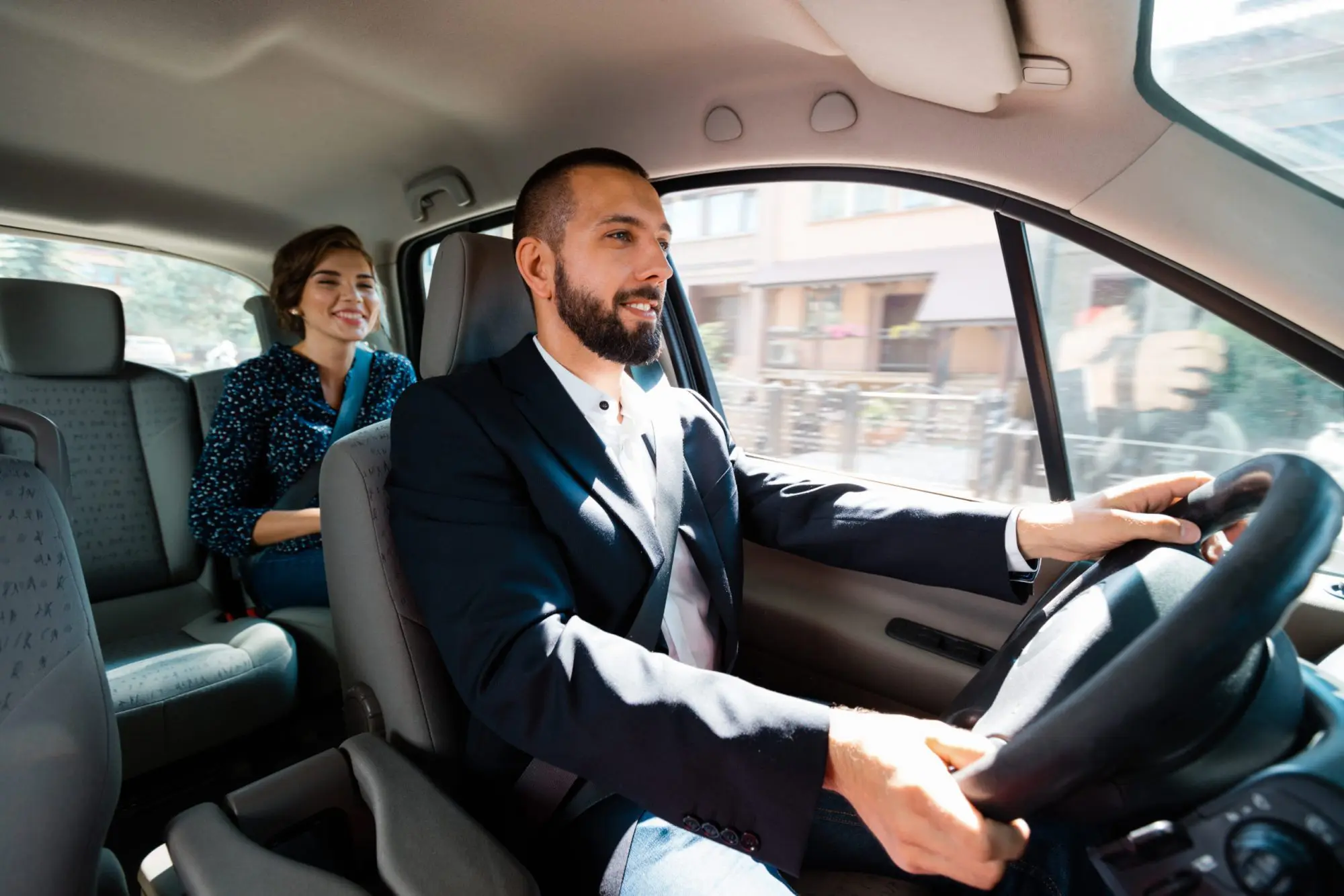
One accident can instantly turn a profitable week of driving into a costly financial problem.
Many Uber and rideshare drivers assume their personal auto insurance fully protects them whenever they’re behind the wheel. Others believe the rideshare company’s insurance covers every situation from the moment they open the driver app until they log off. Neither assumption is entirely accurate.
Insurance coverage changes throughout a rideshare trip. Depending on whether the app is off, waiting for a ride request, driving to pick up a passenger, or transporting a rider, different policies may apply. Understanding these coverage periods is essential because the wrong policy—or no policy at all—can leave drivers personally responsible for vehicle repairs, medical bills, or liability claims.
For drivers who depend on rideshare income, proper insurance isn’t simply a regulatory requirement. It’s an important part of protecting earnings, personal assets, and long-term financial stability.
What Is Rideshare Insurance?
Rideshare insurance is a specialized form of auto insurance designed for drivers who use personal vehicles to provide transportation services through platforms such as Uber and similar ridesharing companies.
A standard personal auto policy generally assumes the vehicle is used for personal transportation. Once that vehicle begins generating income, the risk profile changes.
Rideshare insurance helps bridge the coverage gap between a personal auto policy and the insurance provided by the rideshare platform.
Rather than replacing either policy, it works alongside them to provide more continuous protection during different stages of rideshare activity.
According to widely accepted principles of automobile insurance, insurers price policies based on vehicle usage, making commercial activity an important underwriting consideration.
Why Personal Auto Insurance May Not Be Enough
Many personal auto policies exclude or limit coverage when a vehicle is being used for commercial purposes.
That means if an accident occurs while you’re actively working as a rideshare driver, your personal insurer may deny part or all of the claim if appropriate coverage isn’t in place.
This potential gap surprises many first-time drivers.
Even if the rideshare platform provides insurance during certain periods, it may not cover every circumstance or every type of loss.
Understanding where one policy ends and another begins is one of the most important aspects of rideshare risk management.
Understanding the Four Coverage Periods
Insurance responsibilities change depending on the driver’s status within the rideshare app.
Period 0: App Turned Off
The driver is using the vehicle strictly for personal purposes.
During this period:
- Personal auto insurance generally applies.
- The rideshare company typically provides no coverage.
- Claims are handled according to the driver’s personal policy.
Period 1: App On, Waiting for a Ride Request
The driver has activated the rideshare app but has not yet accepted a passenger request.
This period often creates the largest insurance gap.
Personal insurers may view the vehicle as being used commercially, while rideshare company coverage during this stage may offer lower liability limits than during active trips.
Many rideshare endorsement policies are specifically designed to address this exposure.
Period 2: Ride Accepted, Driving to Pick Up the Passenger
Once a ride request has been accepted, the rideshare platform’s insurance generally expands.
Coverage may include liability protection and, depending on policy conditions, contingent collision and comprehensive coverage if the driver’s personal policy already carries those protections.
Period 3: Passenger in the Vehicle
Coverage generally reaches its highest level while transporting a passenger to the destination.
This period often includes higher liability limits and additional protections, subject to deductibles, exclusions, and policy conditions established by the rideshare platform.
Drivers should still understand exactly what their own insurer requires during this phase.
What Rideshare Insurance Typically Covers
Coverage varies between insurers, but rideshare endorsements commonly provide protection for:
Liability Coverage
Liability insurance helps pay covered damages if the driver is responsible for injuries or property damage suffered by others.
This may include:
- Medical expenses for third parties
- Property damage
- Legal defense costs
- Covered settlements
Collision Coverage
If the insured vehicle is damaged in a covered accident, collision coverage may help pay repair costs after the applicable deductible.
Availability often depends on whether collision coverage already exists on the driver’s underlying personal policy.
Comprehensive Coverage
Comprehensive insurance protects against non-collision events such as:
- Theft
- Fire
- Vandalism
- Falling objects
- Certain weather-related damage
Again, this protection generally requires comprehensive coverage under the personal auto policy.
Uninsured and Underinsured Motorist Coverage
If another driver causes an accident but lacks adequate insurance, uninsured or underinsured motorist coverage may help pay eligible damages, depending on policy terms and local regulations.
What Rideshare Insurance Usually Doesn’t Cover
No insurance policy covers every situation.
Common exclusions may include:
- Intentional damage
- Fraud
- Criminal activity
- Racing
- Unauthorized drivers
- Vehicle modifications not disclosed to the insurer
- Mechanical breakdowns
- Routine maintenance
- Normal wear and tear
Policy wording differs between insurers, making it essential to review exclusions before purchasing coverage.
Why Full-Time Drivers Face Greater Risk
Someone completing a few rides each month presents a different exposure than a driver spending forty or fifty hours each week on the road.
More driving increases:
- Accident exposure
- Vehicle depreciation
- Maintenance costs
- Passenger interactions
- Traffic violations
- Weather-related risks
Insurance companies recognize these differences during underwriting, which can influence premiums and available coverage options.
Factors That Affect Premiums
No two rideshare drivers receive identical insurance quotes.
Common pricing factors include:
- Driving history
- Age and driving experience
- Vehicle type
- Annual mileage
- Geographic location
- Claims history
- Coverage limits
- Deductible selection
- Frequency of rideshare activity
- Existing personal auto coverage
Drivers with clean driving records, well-maintained vehicles, and lower claims histories often qualify for more competitive premiums than those presenting higher overall risk.
Rideshare Endorsement vs. Commercial Auto Insurance
Not every rideshare driver needs a full commercial auto policy. For many drivers, a rideshare endorsement added to a personal auto policy provides sufficient protection for occasional or part-time driving. Drivers operating full-time, transporting passengers for multiple services, or using vehicles for broader commercial purposes may require more comprehensive commercial coverage.
The right choice depends on how the vehicle is used, local insurance regulations, and insurer requirements.
| Feature | Personal Auto Insurance | Rideshare Endorsement | Commercial Auto Insurance |
|---|---|---|---|
| Personal driving | Yes | Yes | Yes |
| App on, waiting for requests | Usually excluded | Typically covered | Covered |
| Frequent rideshare driving | Limited | Designed for rideshare use | Fully covered |
| Business vehicle use beyond rideshare | No | Limited | Yes |
| Premium cost | Lowest | Moderate | Highest |
| Best suited for | Personal use only | Part-time and many full-time rideshare drivers | Businesses and heavy commercial vehicle use |
Choosing the least expensive option isn’t always the safest. Coverage should match the vehicle’s actual use rather than simply minimizing monthly premiums.
How the Claims Process Works
Knowing what to do after an accident can reduce delays and improve the likelihood of a smooth claims experience.
A typical process includes:
- Ensure everyone is safe and contact emergency services if necessary.
- Report the accident to local authorities when required.
- Notify the rideshare platform through the driver application.
- Inform your personal insurer and, if applicable, the rideshare insurance provider.
- Document the accident with photographs, witness information, and vehicle details.
- Cooperate with the claims investigation and provide requested documentation.
- Arrange repairs or settlement according to the applicable policy.
Accurate records of when the rideshare app was active, whether a trip had been accepted, and whether a passenger was in the vehicle can be important when determining which policy applies.
Ways to Reduce Insurance Costs
Insurance premiums are influenced by risk, but drivers can often lower costs without sacrificing essential protection.
Practical strategies include:
- Maintaining a clean driving record
- Choosing a higher deductible if financially comfortable
- Driving a vehicle with strong safety ratings
- Avoiding unnecessary claims
- Bundling multiple insurance policies with one insurer
- Completing approved defensive driving courses where discounts are available
- Reviewing coverage annually to ensure it still matches driving habits
Lower premiums should never come at the expense of leaving major coverage gaps.
Common Insurance Mistakes Uber Drivers Make
Many coverage problems arise because drivers misunderstand how rideshare insurance works.
Relying Only on Personal Auto Insurance
A personal policy alone may not respond to claims that occur while the vehicle is being used for rideshare activities.
Assuming the Platform Covers Every Situation
Platform-provided insurance generally changes depending on the driver’s status within the app. Understanding those coverage periods is essential.
Not Informing the Insurer About Rideshare Activity
Failing to disclose commercial vehicle use could create complications during the claims process.
Selecting Coverage Based Only on Premium
A cheaper policy with significant exclusions may provide inadequate financial protection after a serious accident.
Ignoring Deductibles
Some platform policies include deductibles that are substantially higher than those found in personal auto insurance policies.
Drivers should understand how those deductibles affect out-of-pocket expenses after a covered loss.
Best Practices for Professional Rideshare Drivers
Insurance works best alongside disciplined vehicle management.
Experienced drivers often reduce risk by:
- Performing regular vehicle maintenance
- Inspecting tires and brakes frequently
- Keeping maintenance records
- Installing dashboard cameras where legally permitted
- Following local licensing and inspection requirements
- Avoiding distracted driving
- Reviewing insurance coverage before increasing driving hours
Good driving habits not only improve safety but may also support more favorable insurance terms over time.
Emerging Trends in Rideshare Insurance
The rideshare industry continues to evolve alongside technology and regulation.
Several developments are shaping future insurance products:
- Usage-based insurance powered by telematics
- Expanded digital claims processing
- Greater integration between rideshare platforms and insurers
- Increased availability of flexible coverage for part-time drivers
- Enhanced safety analytics using vehicle data
- Growing attention to electric vehicle insurance for rideshare fleets
As insurers collect more driving data, policies may become increasingly personalized, allowing premiums to reflect actual driving behavior rather than broad risk categories.
Verdict
Driving for Uber or other rideshare platforms creates insurance responsibilities that differ significantly from ordinary personal vehicle use. Understanding how coverage changes throughout each stage of a trip helps prevent costly surprises after an accident.
The strongest protection comes from combining a suitable personal auto policy with the appropriate rideshare endorsement or commercial coverage when necessary. Regularly reviewing policy terms, deductibles, and coverage limits ensures your insurance keeps pace with your driving activity, allowing you to focus on earning income with greater financial confidence.
Frequently Asked Questions
1. Is personal auto insurance enough for Uber drivers?
In many cases, no. Standard personal auto policies often exclude or limit coverage while the vehicle is being used for rideshare activities. A rideshare endorsement or other appropriate coverage may be necessary.
2. Does Uber provide insurance for every trip?
Uber generally provides insurance during specific stages of a rideshare trip, but coverage varies depending on whether the app is off, waiting for a request, driving to a pickup, or transporting a passenger.
3. What’s the difference between rideshare insurance and commercial auto insurance?
Rideshare insurance is designed to bridge coverage gaps between personal auto insurance and the rideshare platform’s policy. Commercial auto insurance provides broader protection for vehicles used primarily for business purposes.
4. Will rideshare insurance cover damage to my own vehicle?
It may, depending on the policy terms and whether you already carry collision and comprehensive coverage under your personal auto policy. Coverage conditions and deductibles vary by insurer.
5. How often should Uber drivers review their insurance coverage?
Drivers should review their coverage at least once a year and whenever their driving patterns change significantly, such as moving from occasional rideshare work to full-time driving, purchasing a new vehicle, or relocating to a different state or region.